
About the Project
Organizational Unit
XXX
Management
Prof. Dr. Dominik Durner
Project Number
XXX
Research Area
XXX
Grant Program
XXX
Category
XXX
Duration
XXX
Development and integration of an energy management system (EnMS) in small and medium-sized wineries to measure the energy flows of all energy sources used in wine production through
installing sensors that precisely track the energy consumption of various appliances and energy sources, broken down by room, work step, or individual device. The sensors can track all types of energy sources.
Many wineries lack precise knowledge of their energy consumption and the energy sources they use
- For energy sources, only annual consumption figures are known
- No knowledge of the energy mix used
- Energy-saving opportunities are not identified, or are identified too late
- Use of outdated technology (cooling, lighting, heating)
- Declines in the efficiency of individual machines and energy distribution systems (electricity, cooling/heating) go unnoticed
- No precise knowledge of the performance of the company’s own PV system (production, self-consumption, feed-in, time-of-day peaks)
Outdated machinery is often replaced too late because the performance and efficiency of energy-consuming components are not measured.
Initial research findings show that German wineries use different energy mixes for wine production, resulting in significant variations in the amount of energy required per liter of wine.
Objectives of the research project:
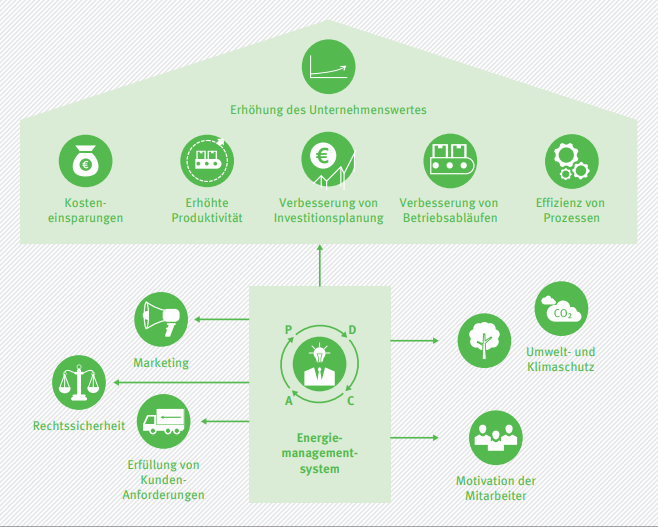
Development of a user-friendly energy management system based on automated energy monitoring.
An EnMS can serve as the basis for certifying one’s own operation in terms of environmental and sustainability standards
Plan resource use and make it more efficient
Cost savings
Individual consulting for wineries by the Rural Area Service Center (DLR) Rhenish Palatinate on energy efficiency and energy conservation based on the collected data
Introduction of fixed measurement units
kWh/liter of wine and kWh/hectare of vineyard
Raising awareness among employees and customers regarding energy use and efficiency
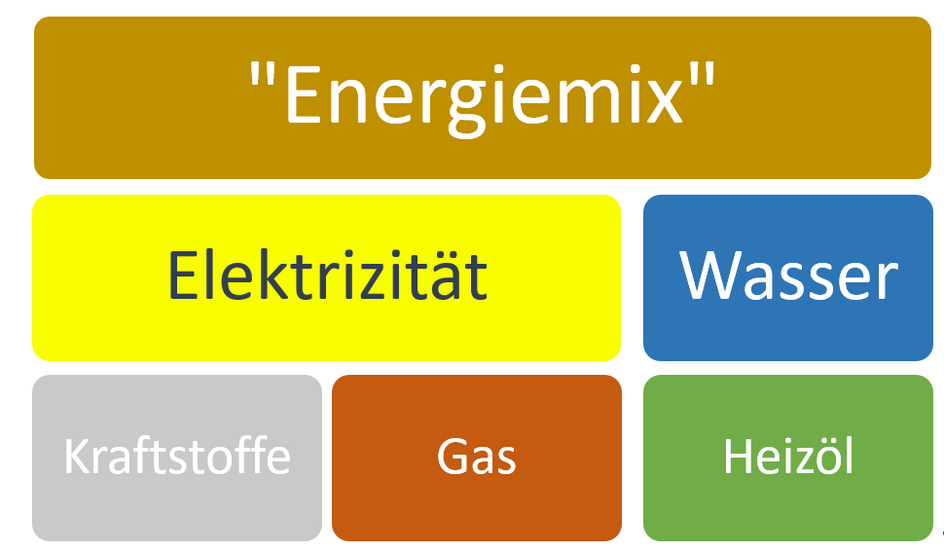
The main energy sources in viticulture are:
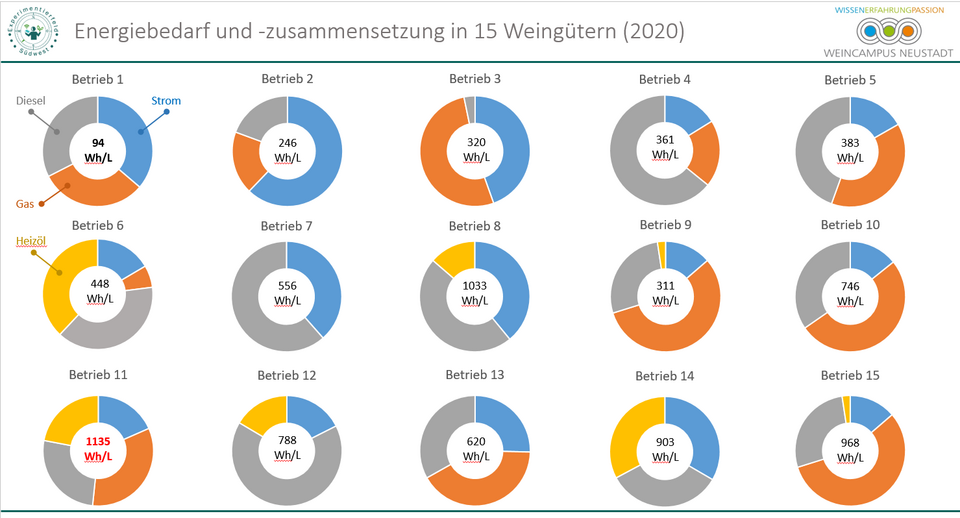
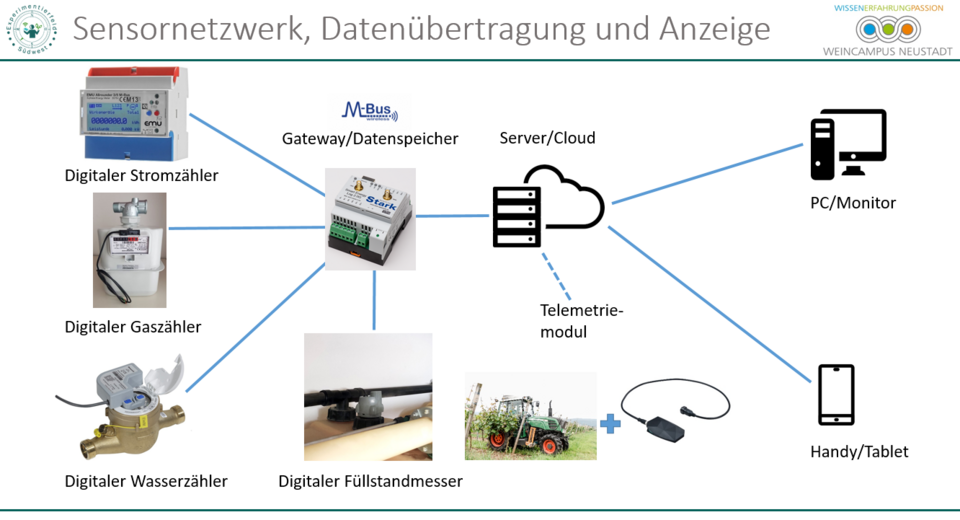
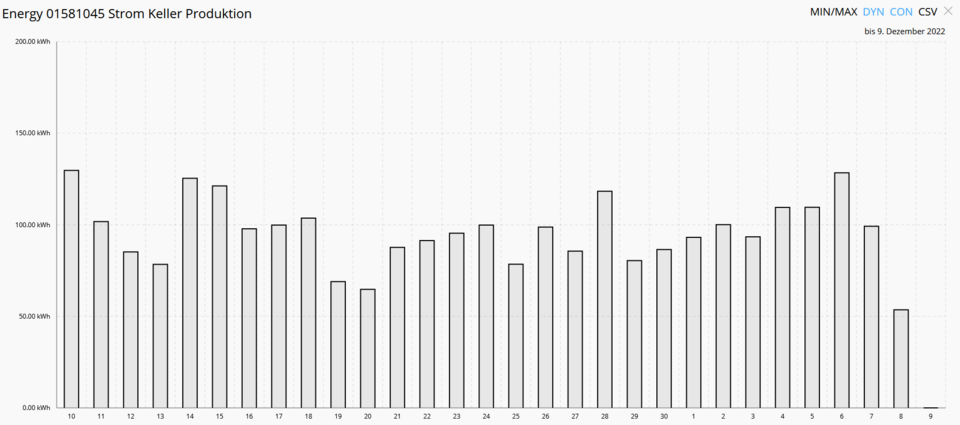
The energy data collected from various wineries is stored and analyzed by the DLR-RP in Neustadt an der Weinstraße on a central server. This allows for a cross-regional comparison of different operational models and is used by the DLR-RP to provide individualized energy consulting.
This provides wineries with precise figures on their internal energy consumption, and they can use this data to implement various measures, such as:
Anonymous comparison with similar types of operations
Energy efficiency assessment
Analysis of the efficiency and functionality of individual pieces of equipment
Assessment of the feasibility and cost-effectiveness of optimization approaches developed as part of the continuous improvement process (KVP).
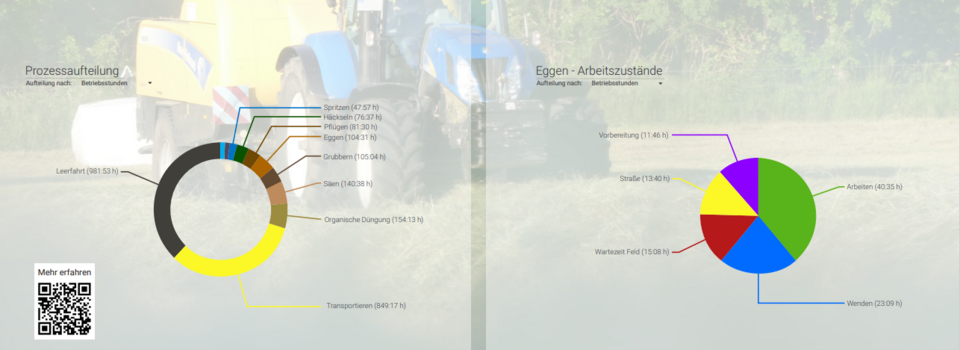
Fuel Consumption of Vineyard Tractors
Unlike in other areas of agriculture, there is no way to measure this at the factory.
Data is collected directly in the tractor using a computer system and processed automatically.
The following parameters are recorded:
Fuel consumption per hour/minute/hectare,
Area productivity (ha/h), CO2/ha
Distance traveled and time
Work steps or attachments such as leaf cutters or cultivators
Road travel, work, turning, preparation, turning time, and distance
Cost calculation for individual tasks in the vineyard is possible