MoVE Project Recognizes the Successful Launch of the Master's Program in Viticulture & Enology
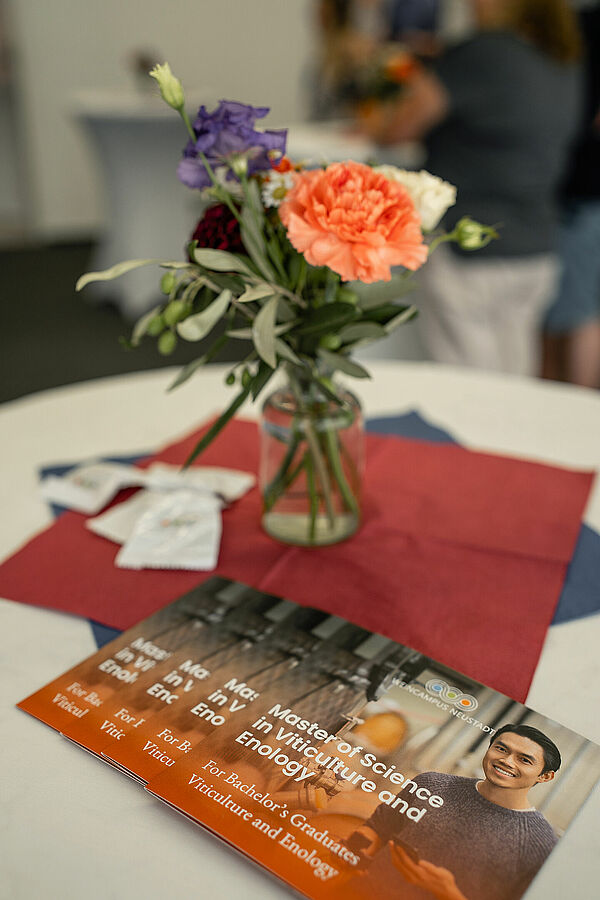
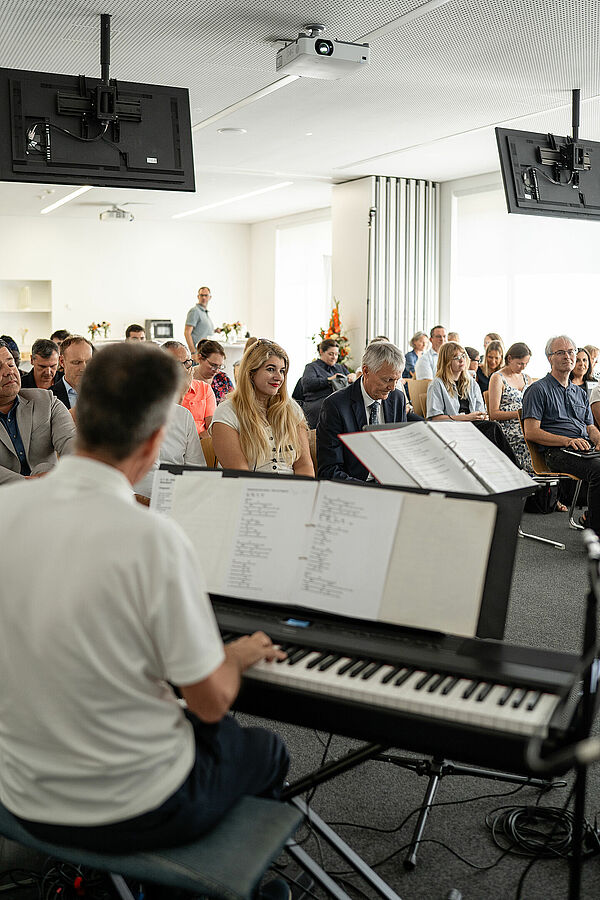
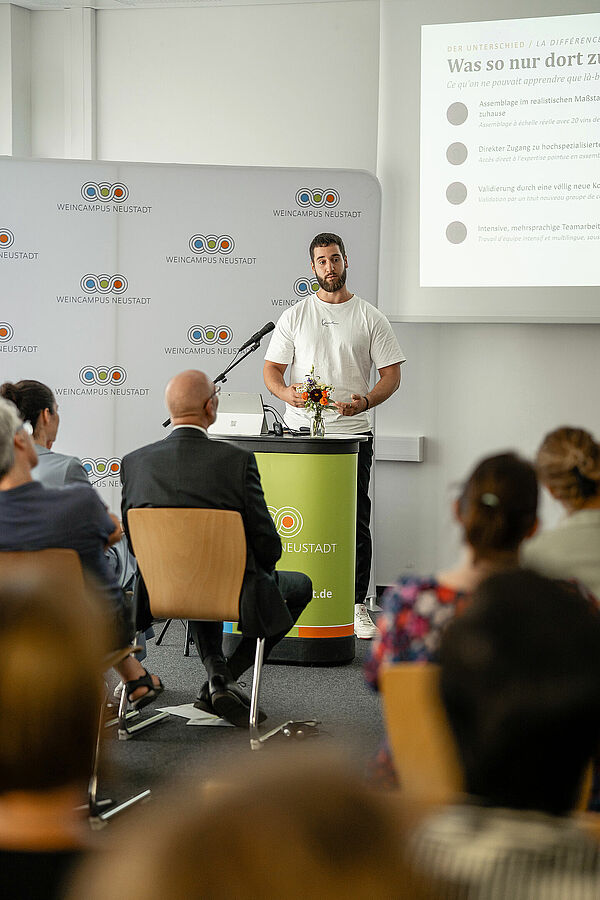
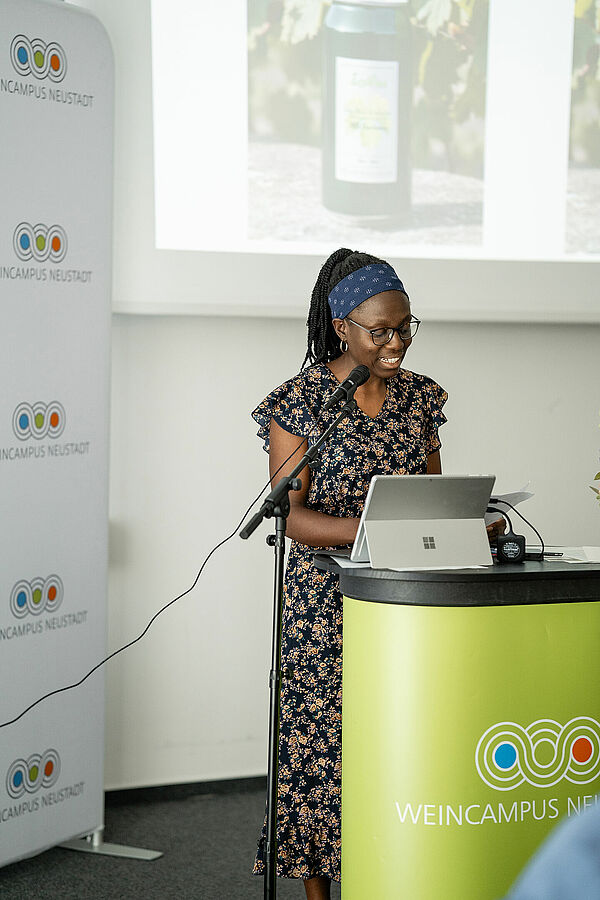
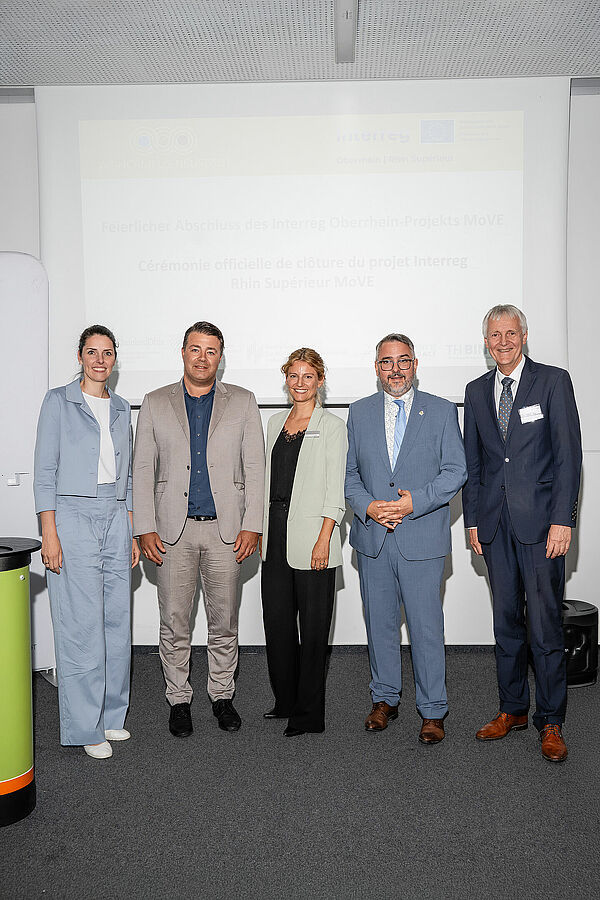
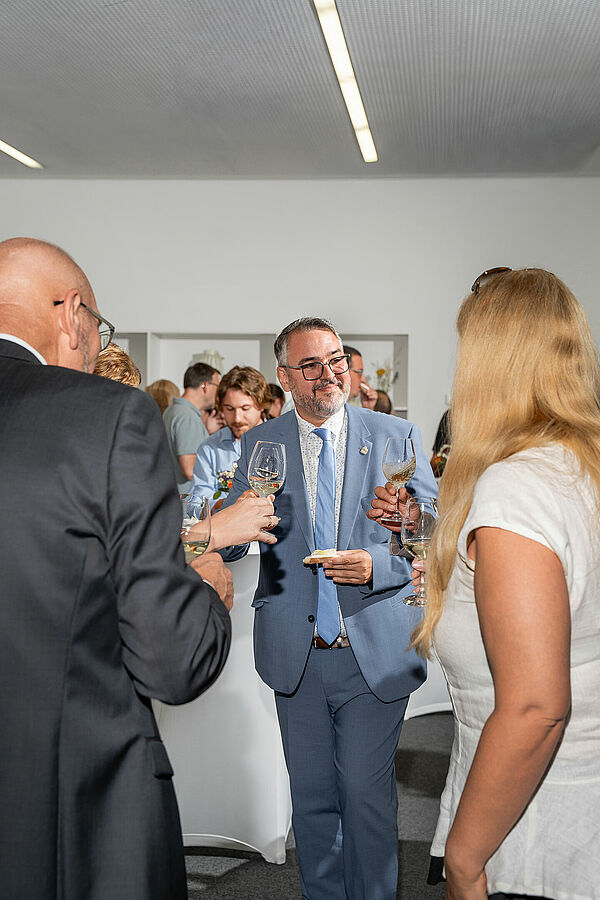
A festive event was held on Thursday, July 9, 2026, at the Wine Campus Neustadt to celebrate the successful launch of the cross-border, work-integrated master’s program in Viticulture and Enology.
The occasion marked the conclusion of the three-year Interreg project “MoVE – German-French Career-Integrated Master’s in Viticulture & Oenology,” which drove the concrete development and establishment of the program. At the same time, MoVE marks the culmination—so far—of a six-year German-French collaboration between the Wine Campus Neustadt and the Université de Haute-Alsace in Colmar. While the first project, FAVO, had already developed a joint degree program and structurally anchored the German-French collaboration, the second funding period—with MoVE—focused on further developing the program to include a work-integrated track. The project was co-financed with approximately 1.7 million euros through the European Regional Development Fund (ERDF) and implemented in collaboration with the Université de Haute-Alsace.
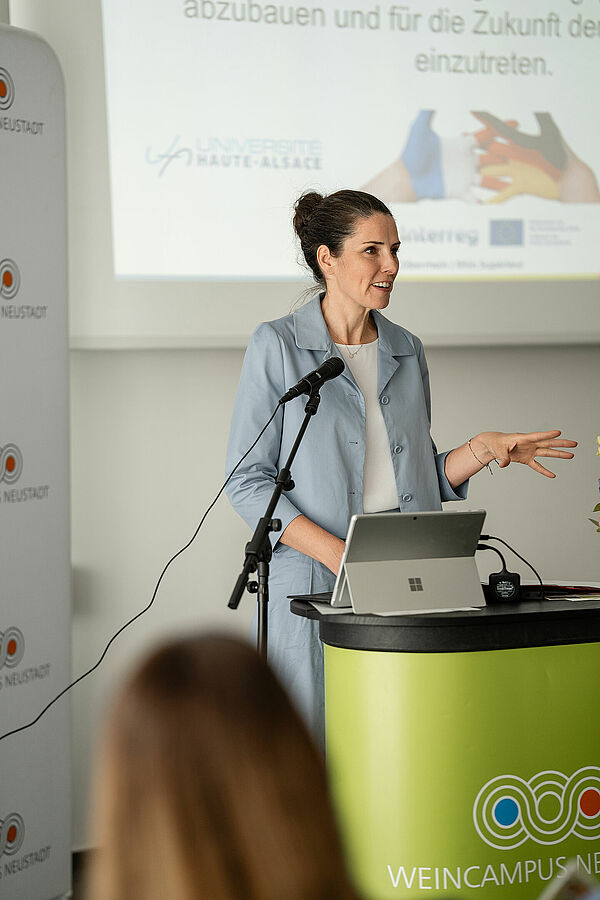
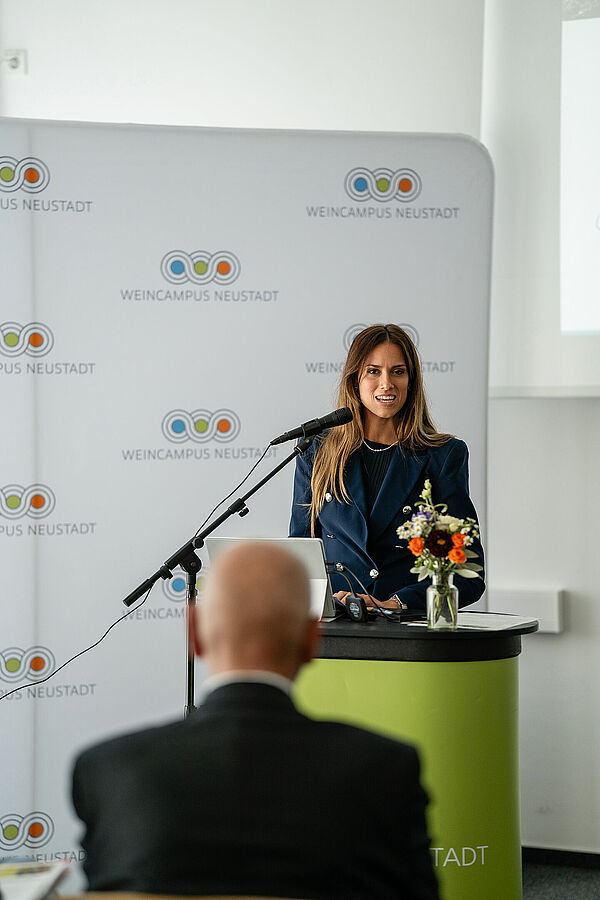
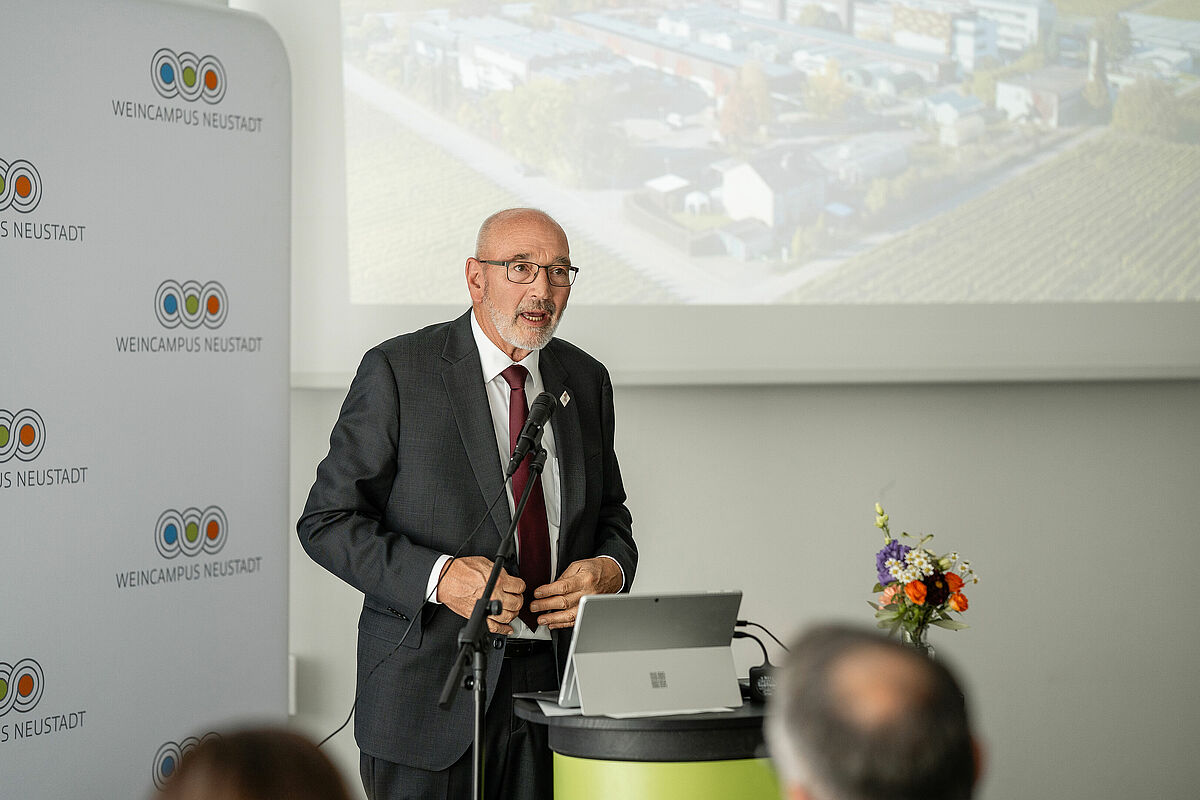
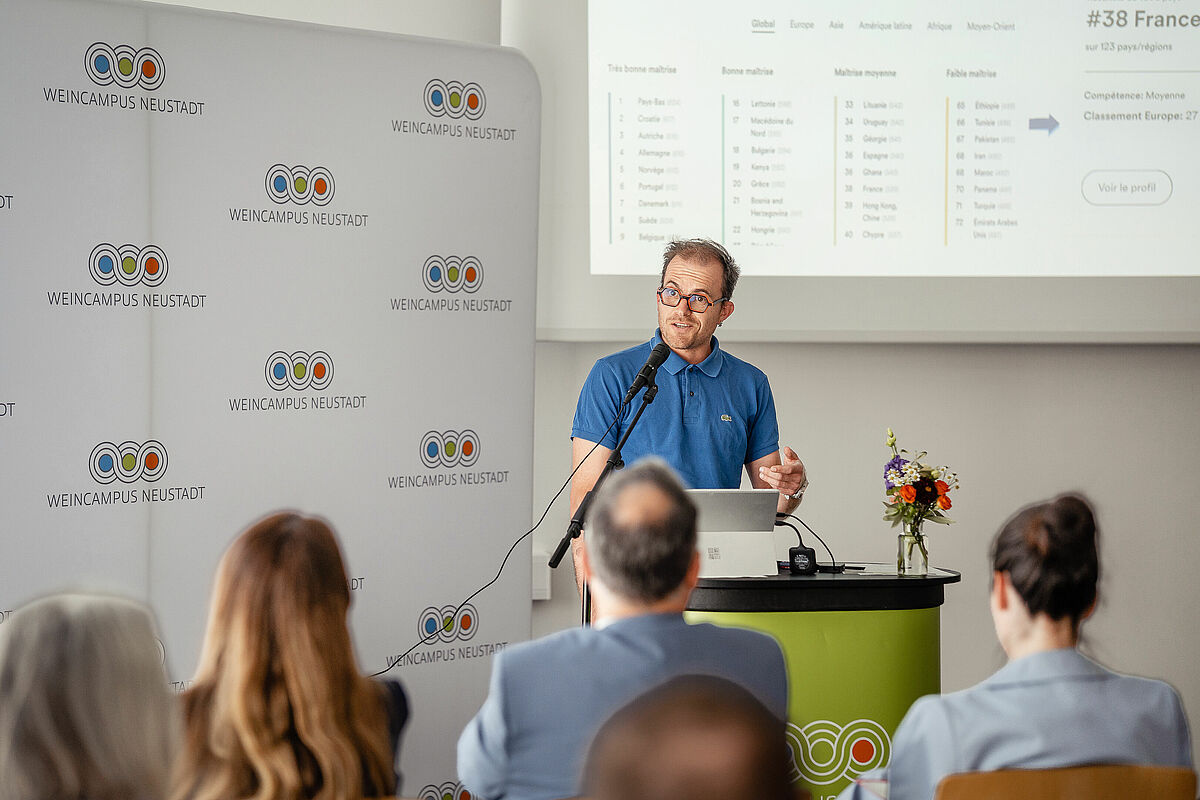
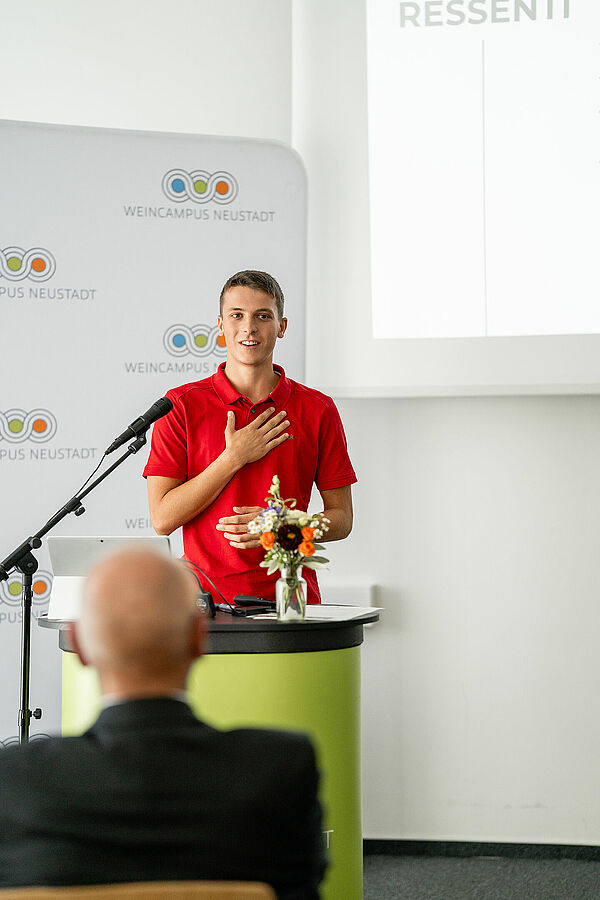
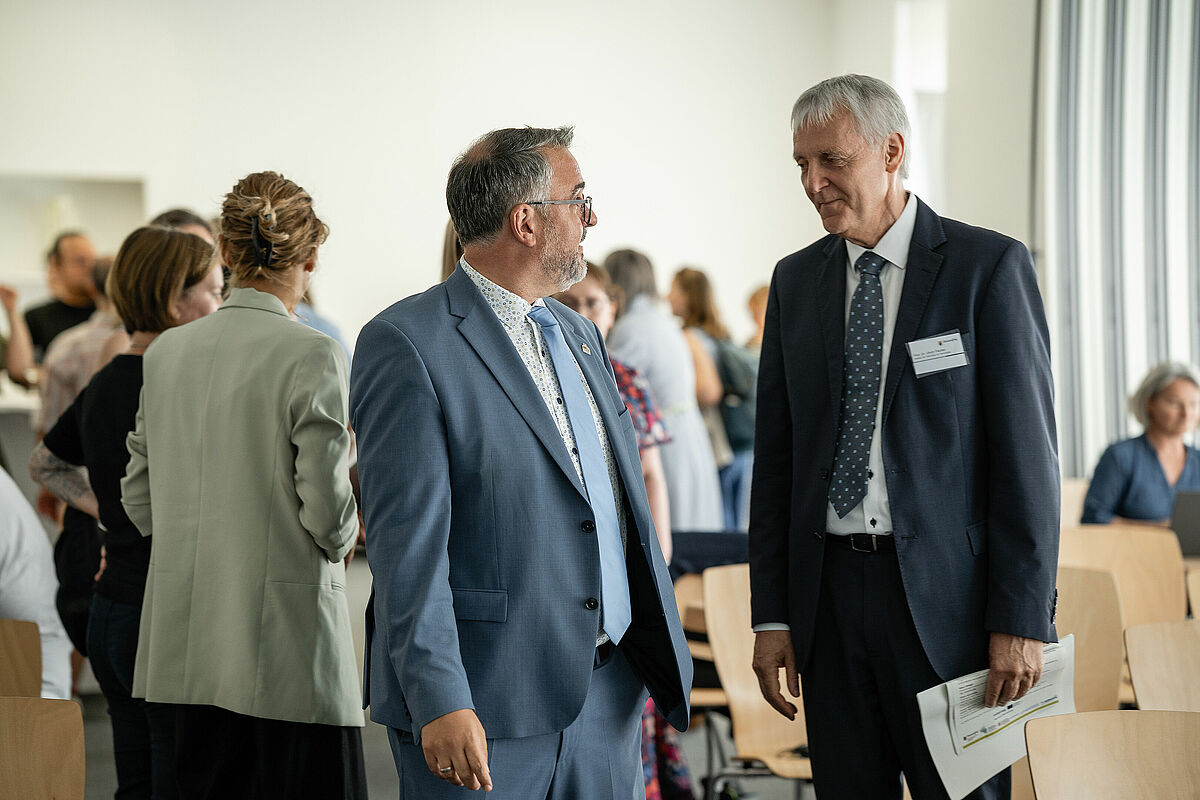
Guests from the worlds of politics, public administration, European cooperation, higher education, and the wine industry gathered for the celebratory event. Speakers included State Secretary Dr. Kristina Brixius, Delia Bonsignore from the European Commission, Marc Weigel, Mayor of Neustadt an der Weinstraße, and Klaus Schneider, President of the German Winegrowers’ Association. Representatives from the Rural Area Service Center (DLR) Rhenish Palatinate, the Wine Campus Neustadt, the German and French program directors, as well as current and former students, also participated in the event.
“The Master’s program in Viticulture & Enology embodies a Franco-German partnership in action and is also an excellent example of innovative cooperation within the European wine industry. Based on the integration of research, teaching, consulting, and experimental work, practical knowledge is successfully generated here for practical application. Master’s students and young professionals are brought up to speed on the latest state-of-the-art developments across national borders to prepare the wine industry for current and future challenges,” said Dr. Kristina Brixius, State Secretary at the Ministry of Agriculture, Viticulture, Environment, and Forestry.
The event focused on what this collaboration has concretely produced: a study model that combines high-level academic training with practical experience at companies in the wine industry in Germany and France. The collaboration between the Wine Campus Neustadt and the Université de Haute-Alsace in Colmar forms the core of the degree program. Together with the Rural Area Service Center (DLR) Rhenish Palatinate as the project sponsor and the participating universities in Ludwigshafen, Kaiserslautern, and Bingen, a program was created that combines in-depth specialized knowledge, international perspectives, and intercultural competence. For students, this means studying and conducting research in two major European wine-growing regions while gaining exposure to different business structures and wine-growing cultures. Because the program has an English-language approach, it is also accessible to international students and can help attract qualified young professionals to the region’s wine industry.
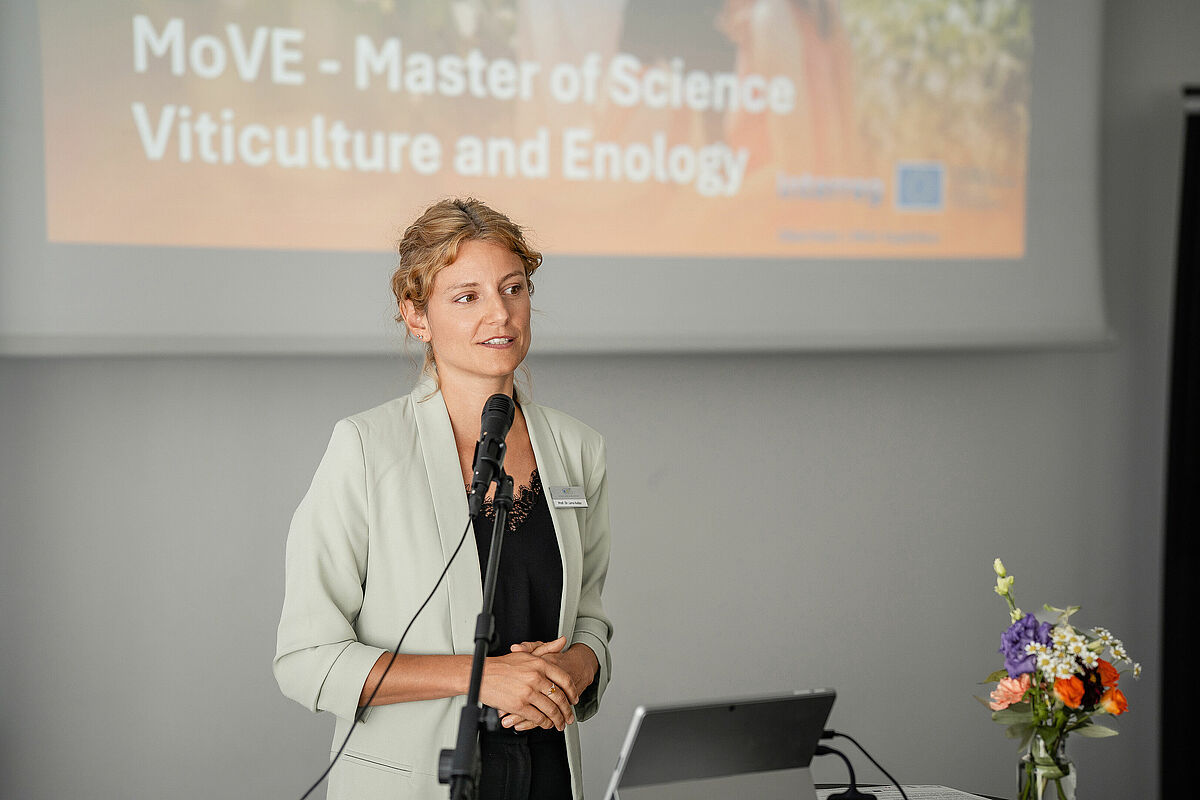
“A program like this doesn’t come about on paper, but through people who are willing to collaborate across borders and find common solutions. That is exactly what we have experienced over the past six years. Interreg funding has given us the opportunity to develop this collaboration into a master’s program that brings the European ideal to life in study, research, and professional practice,” emphasized program director Prof. Dr. Lena Keller from the Wine Campus Neustadt.
Over the past three years, we have not only established academic structures but also jointly developed courses, harmonized content, and created new formats for cross-border knowledge transfer. In doing so, MoVE has not only produced a highly sought-after degree program but has also further strengthened institutional bridges between universities, regions, and the wine industry. The celebratory event thus marked not a conclusion, but an important milestone for Franco-German cooperation.
Contact: Prof. Dr. Lena Keller
Photos: Lina Wissen Photography