Wine Campus on course for growth
Containers will meet the additional space needs for the winter semester—the state is developing a master plan for the site
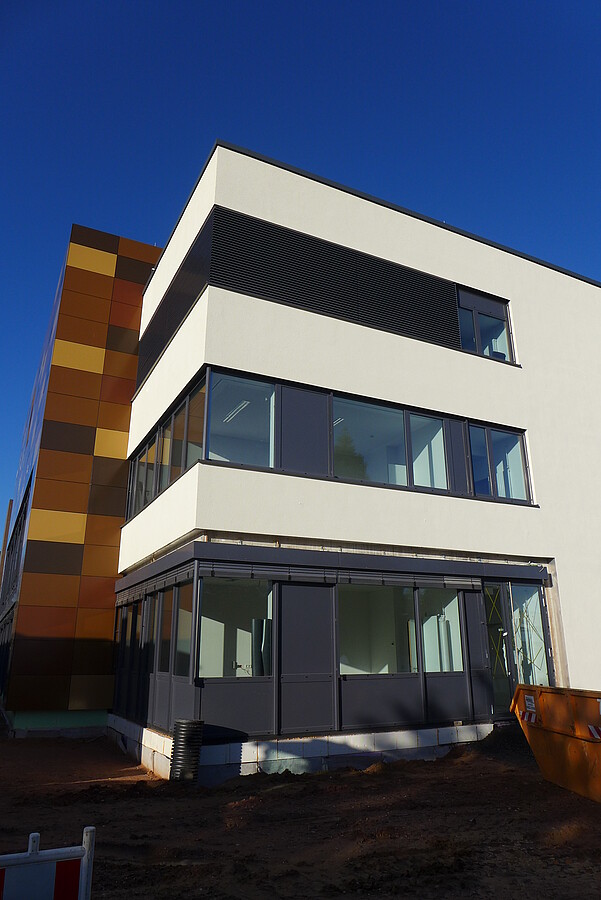
The Wine Campus Neustadt gained more space in 2016 with the addition of a new building. But that is no longer enough, says Günther Hoos, director of the Rural Area Service Center (DLR) Rhenish Palatinate, on whose grounds the Wine Campus Neustadt is located. A master plan for further construction is currently being developed. For now, containers will provide additional space. They will be set up in the coming weeks.
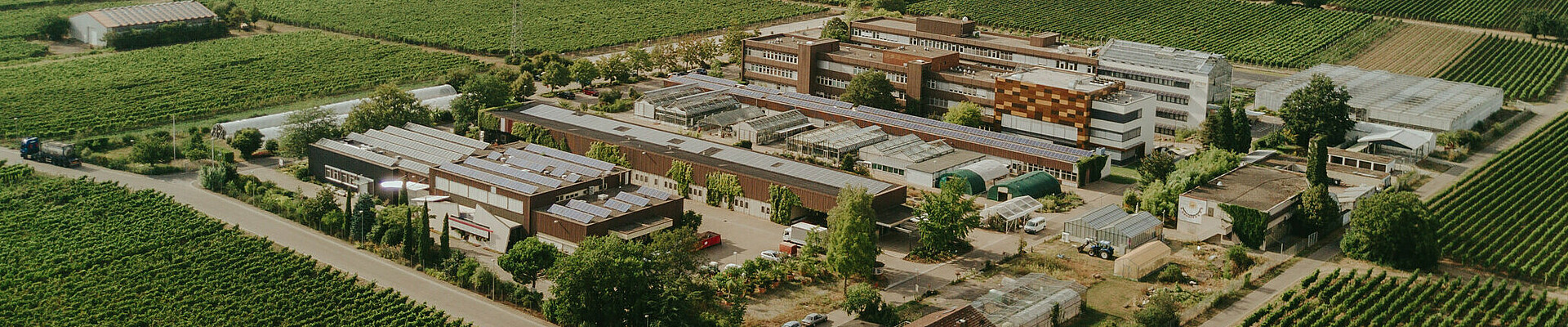
“The building permit from the city has been granted; the containers are scheduled to be in place by the start of the winter semester at the latest,” says Hoos. Both the DLR and the Neustadt Wine Campus already have experience with containers. Before the new building could be used in 2016, containers were used once before to provide additional space. They are now to be set up again in exactly the same spot where they stood back then: namely, at the rear of the grounds on the east side.
There will be a total of 12 to 13 containers. There are several reasons for the need for additional space. For one thing, the number of students has continued to grow due to the new German-French master’s program in Viticulture and Enology. Two of the containers will therefore be needed for additional lecture halls.
There are also an increasing number of research projects at the Wine Campus, says program director Prof. Dominik Durner, citing another reason for the need for space. This is a sign of recognition for the Wine Campus—and “we’re naturally proud of that,” says Prof. Durner. Four containers are to be used for the professors’ research projects.
Four additional containers are earmarked as a quarantine station. This is a quarantine that, for once, has nothing to do with COVID-19. The quarantine station is needed for research and studies that require strict environmental conditions and high safety standards. This includes, for example, new vine diseases, pests, or invasive species.
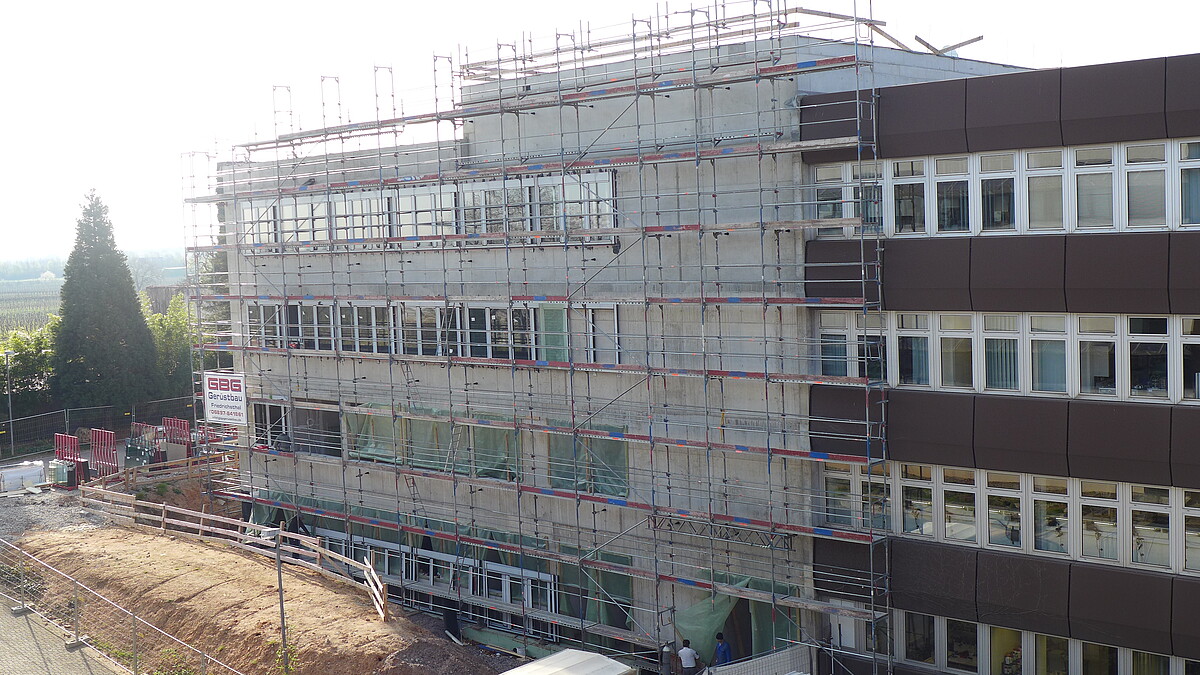
Two to three containers will be needed as temporary space and storage when construction resumes on the Wine Campus grounds. Günter Hoos explains that it’s not yet clear when that will be. He expects it to happen in two to three years.
The State Real Estate and Construction Management Agency (LBB), which is responsible for all buildings in the state of Rhineland-Palatinate, and the Ministry of Finance are redeveloping the entire site of the Rural Area Service Center (DLR) Rhenish Palatinate and the Wine Campus. The goal is to develop a so-called master plan. The main focus is on determining how much space is needed in which areas, where existing space could potentially be better utilized, and where new construction is necessary, explains Hoos. Once that is done, planning will proceed and funding will be secured. In doing so, it must be taken into account that the Wine Campus intends to continue growing.
Text: Annegret Ries, Rheinpfalz (June 17, 2021)